The 2027 Change
What happens to your pension when you die after April 2027?
For many years, unused pension funds have typically sat outside the estate for inheritance tax purposes, which meant they could often pass to beneficiaries more tax-efficiently than other assets.
From 6 April 2027, that answer is changing. If you die on or after 6 April 2027, most unused pension funds and pension death benefits will be brought into the value of your estate for inheritance tax purposes.
The way your pension passes to your family — and how much they may receive — could look different from what you originally planned.
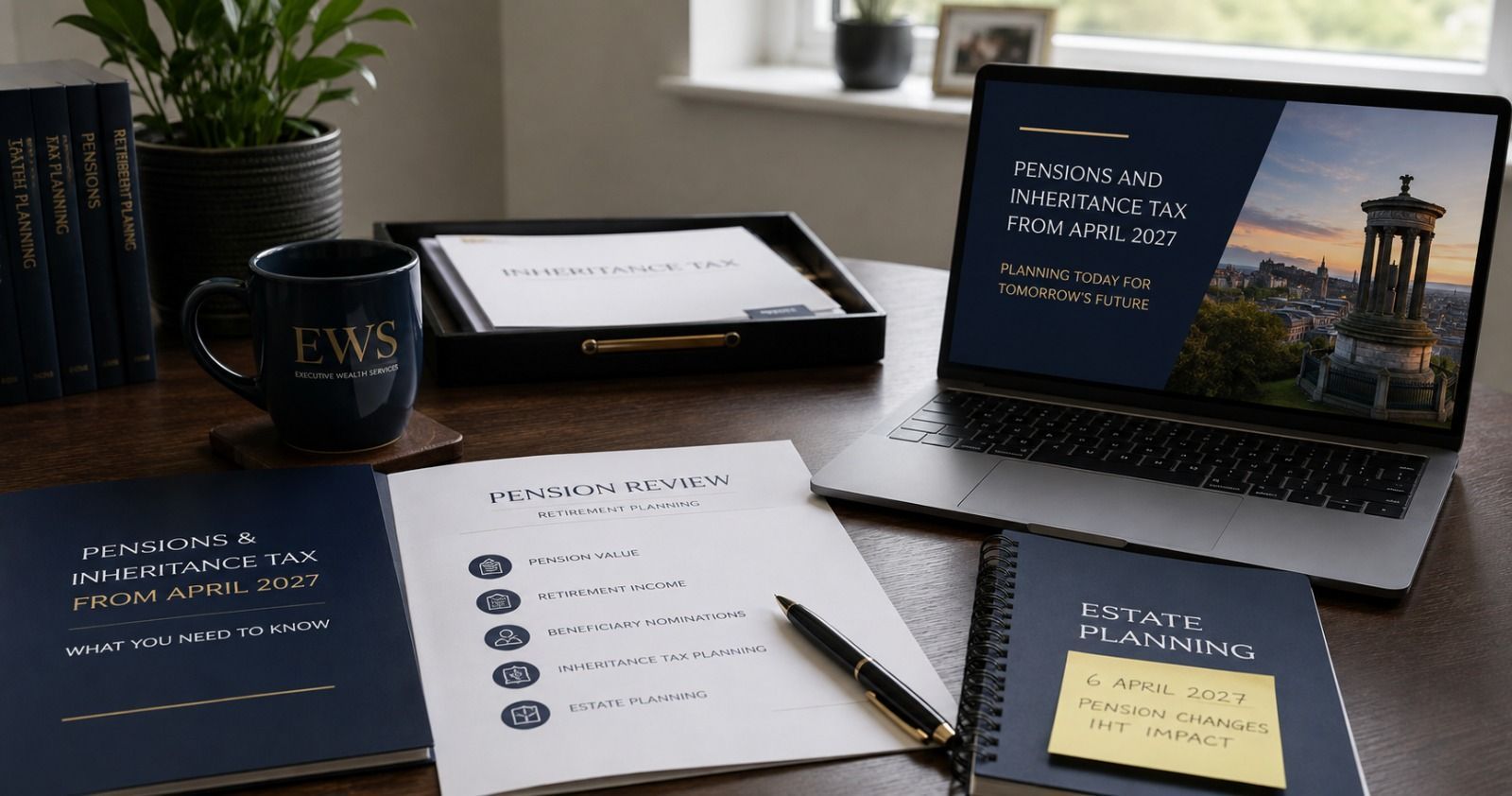
This article explains what may happen to your pension when you die after April 2027, what your beneficiaries may need to know, and why nomination forms, wills and wider estate planning should be reviewed before the rules change.
The change applies to deaths on or after 6 April 2027.
Beneficiaries may receive a different outcome than expected.
Why The Rules Are Changing
Why pension death benefits are changing
The government announced in the October 2024 Budget that most unused pension funds and pension death benefits would be brought within the estate for inheritance tax purposes.
Finance Act 2026 received Royal Assent on 18 March 2026. The reforms apply to deaths on or after 6 April 2027, with further supporting guidance and information-sharing requirements expected before implementation.
The rationale behind the change is that pensions have increasingly been used and marketed as a tax planning vehicle to transfer wealth, rather than only for funding retirement. The change is designed to remove what the government describes as distortions in the current system.
For families, the practical effect is that a pension will no longer automatically sit outside the estate in the way it has done. The total value of the estate — including property, savings, investments and now most pension funds — will determine whether inheritance tax is due.
Unused Pension Funds
What may happen to unused pension funds?
From 6 April 2027, most unused pension funds will be treated as part of the estate for inheritance tax purposes.
This could include uncrystallised pension funds, funds held in drawdown and lump sum death benefits paid from a pension scheme.
- Uncrystallised pension funds
- Funds held in drawdown
- Lump sum death benefits
- Pension nomination forms
- Property, savings and investments
- Family inheritance objectives
A pension nomination form still matters. It helps guide trustees, but from April 2027, trustee discretion will not by itself keep most pension death benefits outside the inheritance tax position.

For Beneficiaries
What beneficiaries may need to know
If you are a beneficiary of someone who dies on or after 6 April 2027, the way pension death benefits are treated for inheritance tax will be different.
The people dealing with the estate will need to include most unused pension funds and pension death benefits when calculating whether inheritance tax is due.
Inheritance tax is normally due by the end of the sixth month after the date of death, so pension information may need to be gathered quickly.
Pension scheme administrators may need to share information before probate, or confirmation in Scotland, has been issued.
A nomination guides trustees, but the tax treatment depends on the new inheritance tax rules, estate value, allowances and beneficiary relationship.
Benefits paid to a spouse or civil partner remain exempt from inheritance tax. This continues under the existing inheritance tax rules and is not changed by the 2027 reform.
Income Tax Interaction
Why age 75 can still matter for income tax
The 2027 inheritance tax change is separate from the income tax rules that already apply to pension death benefits.
Under current income tax rules, the age at which the pension holder dies can affect how beneficiaries are taxed on what they receive.
Beneficiaries may be able to receive pension death benefits free of income tax, subject to certain limits and conditions.
Beneficiaries may need to pay income tax on pension death benefits at their marginal rate.
These income tax rules are not changed by the 2027 inheritance tax reform. However, the interaction between inheritance tax and income tax on pension death benefits is one of the reasons professional advice is valuable.
Nomination Forms And Wills
Why nomination forms and wills should be reviewed
A pension nomination form — sometimes called an expression of wish — tells your pension provider who you would like to receive pension benefits when you die.
It is not the same as a will. It does not automatically override the scheme trustees’ discretion. However, it remains an important part of pension and estate planning.
Nomination forms guide trustees when deciding who should receive pension death benefits. With the 2027 change, the tax outcome for beneficiaries may be different from what was expected when the form was originally completed.
- A former spouse may still be listed as a beneficiary
- Children may have been born or adopted since the form was last updated
- The form may not reflect current wishes or family circumstances
- The interaction between your will and pension nominations may not be aligned
- Beneficiaries may not receive the outcome originally intended
- The wider inheritance tax position may have changed
Your will and your pension nominations should work together as part of one joined-up plan. If your will was written years ago, or before the 2027 change was announced, it may need reviewing alongside your pension arrangements.
Planning Before 2027
What families should do before 2027
The best starting point is not to make rushed decisions. It is to review the whole position properly.
Find out what your pensions are worth
Gather workplace pensions, personal pensions, SIPP details and recent statements so you understand what exists and how each pension is structured.
Check who your beneficiaries are
Review your nomination forms for every pension and update them if they no longer reflect your current wishes.
Review your will
Your will and pension nominations should work together, especially if your will was written before the 2027 change was announced.
Understand your inheritance tax position
Consider how pensions interact with property, investments, family objectives and available allowances.
Consider gifting carefully
Lifetime gifting may reduce the estate, but affordability, care costs, inflation and long-term security must come first.
Take advice before major changes
Reducing inheritance tax exposure can create income tax, investment or cash-flow consequences if done without advice.
Family Wealth Planning
Why this matters for families
For many families, the pension was treated differently from the rest of the estate. Property, savings and investments were reviewed as part of inheritance tax planning, while pensions were often preserved because they usually sat outside the estate.
That logic may now need to change. From April 2027, families may need to review pension values, beneficiary nominations, wills, estate planning, retirement income strategy, pension drawdown decisions, ISA and investment planning, gifting affordability and family wealth objectives.
The answer is not the same for everyone. Some clients may still need to preserve pension funds for retirement income. Others may need to reconsider the order in which they draw income from pensions, ISAs and investments. Some families may need a wider estate planning review.
The important point is that pensions, wills and inheritance tax planning should no longer be looked at separately.
Related Guides
Related EWS planning guides
These related guides explain the wider planning areas that may need to be considered alongside the 2027 pension inheritance tax change.
Common Questions
FAQs about pensions after death and the 2027 rule change
What happens to my pension when I die after April 2027?
From 6 April 2027, most unused pension funds and pension death benefits will be included in your estate for inheritance tax purposes. This means the value of your pension will be added to your other assets when calculating whether inheritance tax is due.
Will my spouse pay inheritance tax on my pension?
Benefits paid to a surviving spouse or civil partner remain exempt from inheritance tax. This is unchanged by the 2027 reform.
What if I die before 6 April 2027?
If you die before 6 April 2027, the current rules will apply, even if pension benefits are paid to your beneficiaries after that date. The new rules apply to deaths on or after 6 April 2027.
Will my beneficiaries pay income tax as well as inheritance tax?
Depending on the age at which you die and how beneficiaries access the pension, income tax may also apply. If you die at or after age 75, beneficiaries may need to pay income tax on pension death benefits at their marginal rate.
Do I need to update my pension nomination form?
You should review your nomination forms to make sure they reflect your current wishes. Outdated nominations can create confusion, delays or unintended outcomes.
Should I change my pension withdrawals before April 2027?
Not without advice. Pension withdrawals can create income tax, investment and long-term cash-flow consequences. The right approach depends on your full retirement, estate and family wealth position.
Speak To EWS
Review pension nominations, wills and estate planning before 2027
EWS Financial Advisers can help you review your pension nominations, will and wider estate planning position. We can help you understand what the 2027 change may mean for your beneficiaries and what planning steps may be worth considering before the rules change.
This article is for general information only and does not constitute personal financial advice. Tax treatment depends on individual circumstances and may change. Estate planning, tax planning, trusts and will writing may not be regulated by the Financial Conduct Authority.
Executive Wealth Services Limited is Authorised and Regulated by the Financial Conduct Authority. We can be found on the FCA Register under Number 822396.